
How to Choose a Notebook You’ll Actually Use Every Day
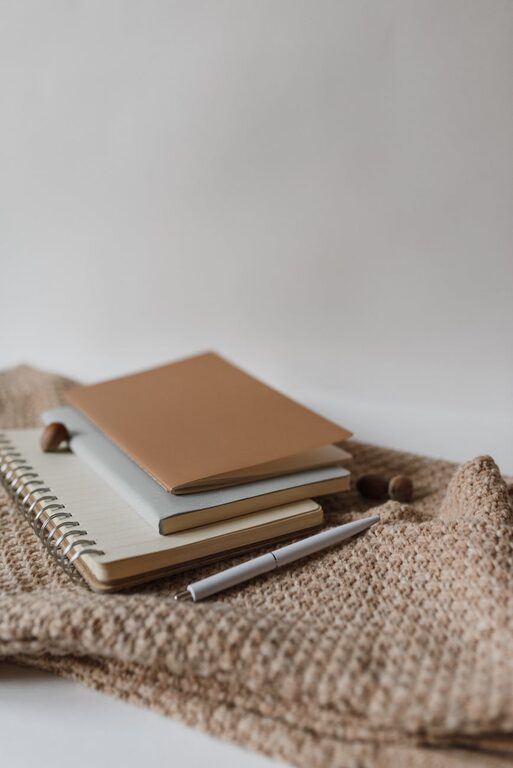
Choosing the right notebook might seem like a small task, but it can have a big impact on how often you use it and enjoy writing. Whether you want to jot down ideas, plan your day, or keep a journal, the right notebook keeps you inspired and organized. This guide will help you narrow down your options and find a notebook you’ll love using.
Why Choosing the Right Notebook Matters
A notebook is more than just paper bound together; it’s a tool for creativity, productivity, and memory. If the notebook doesn’t feel right — maybe it’s too bulky, the pages bleed through, or the format doesn’t fit your style — you’re less likely to pick it up regularly. On the other hand, a well-chosen notebook invites you to write, sketch, or plan with ease.
Step 1: Determine Your Notebook’s Primary Use
Before shopping, think about what you want the notebook for. Common uses include:
– Daily journaling
– Work or school notes
– Creative writing or brainstorming
– Planning and to-do lists
– Sketching or doodling
Knowing your primary use helps you decide on size, format, and paper type.
Step 2: Choose the Right Size
Notebooks come in many sizes, and the best size depends on how and where you plan to use it.
– Pocket-sized (A6 or smaller)
Great for quick notes on the go. Fits in your purse or pocket but offers limited space.
– Medium (A5 or 6×8 inches)
A popular size — portable yet roomy enough for daily tasks.
– Large (A4 or letter size)
Ideal for work or school where you need to take extensive notes or sketch.
If you’re unsure, medium size is a versatile choice that works well for most purposes.
Step 3: Select Your Preferred Binding
Binding affects how your notebook opens and how durable it is.
– Spiral-bound
Lies flat and allows pages to fold back completely. Good for note-taking but may wear out more quickly.
– Perfect bound (like a paperback book)
Sleek and professional-looking but might not lay flat easily.
– Hardcover
Offers superior protection and durability. Great if you carry your notebook around daily.
– Softcover or flexible cover
Lighter and more portable but may crease or bend over time.
Consider whether you want your notebook to open flat or prefer something compact and sturdy.
Step 4: Pick the Right Paper Type
Paper matters! The thickness and texture can affect your writing experience.
– Paper weight
Measured in GSM (grams per square meter). The thicker the paper, the less it bleeds or wrinkles. 70-80 GSM is standard; 90+ GSM is premium.
– Lined, dotted, grid, or blank pages
– Lined pages suit writing and journaling.
– Dotted pages offer subtle guidance, popular with bullet journals.
– Grid pages help with diagrams and neat notes.
– Blank pages are great for sketches and freeform ideas.
– Color
Most notebooks use white or cream paper. Cream is easier on the eyes for long writing sessions.
If you use fountain pens or markers, pay extra attention to paper thickness and ink bleed.
Step 5: Consider Your Style and Design Preferences
The look and feel of a notebook can inspire you to use it more often.
– Cover design
Choose something you like—whether it’s minimalist, colorful, or patterned.
– Additional features
Some notebooks include pockets, elastic closures, bookmarks, or numbered pages, which can be practical.
– Brand ethos
If sustainability matters to you, look for eco-friendly or recycled paper notebooks.
Step 6: Set a Budget
Notebooks vary widely in price. You can find basic options for a few dollars or premium handcrafted journals for more.
Think about how often you’ll use it and what features matter most. Sometimes spending a bit more ensures better quality and a longer-lasting notebook, increasing your usage.
Step 7: Test It Out if Possible
If you’re unsure, visit a store to flip through different notebooks. Feel the paper, check the binding, and imagine yourself writing in it.
Alternatively, you can order a small variety online and test them at home before committing.
Bonus Tips: Making Your Notebook a Habit
– Keep your notebook visible and within reach.
– Set a daily or weekly time to use it.
– Personalize it with stickers or tabs.
– Pair it with your favorite pens or pencils.
– Don’t worry about perfection — just enjoy the process.
Conclusion
Choosing a notebook is a personal journey that reflects your habits, needs, and tastes. By considering how you’ll use it, the right size, binding, paper quality, and design, you’ll find a notebook that encourages you to write, plan, and create consistently. Take your time exploring options—your perfect notebook is out there waiting for you!