How to Start a Small Herb Garden Indoors: A Beginner’s Guide
Starting a small herb garden indoors is a rewarding way to bring fresh flavors to your kitchen while adding a touch of greenery to your living space. Whether you have a sunny windowsill or a small corner in your home, growing herbs indoors can be simple, enjoyable, and useful. This guide will walk you through everything you need to know to successfully start your own indoor herb garden.
Why Grow Herbs Indoors?
Growing herbs indoors allows you to have fresh ingredients at your fingertips for cooking, teas, and home remedies. Indoor herb gardens:
– Save money on store-bought herbs
– Provide year-round access regardless of season
– Improve indoor air quality
– Boost your mood and add aesthetic appeal to your home
Choosing the Right Herbs for Indoors
Some herbs are particularly well-suited to indoor growing because they thrive in pots and limited light.
Easy Indoor Herbs for Beginners:
– Basil: Loves warmth and bright light
– Mint: Grows quickly and tolerates moderate light
– Parsley: Requires consistent moisture and medium light
– Chives: Hardy and grows well in indirect sunlight
– Thyme: Drought-tolerant and prefers bright light
– Oregano: Robust and low maintenance
– Cilantro: Prefers cooler temperatures and plenty of light
Selecting Containers and Soil
Containers:
Choose pots with drainage holes to prevent water from stagnating, which can cause root rot.
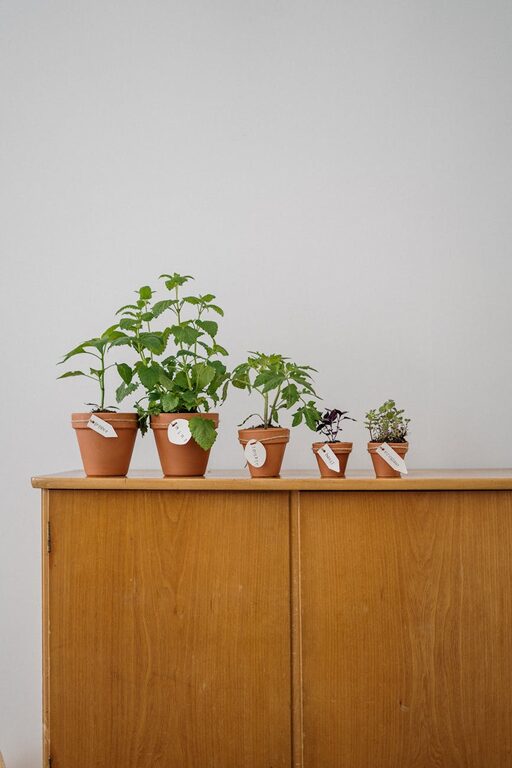
– Small terracotta or ceramic pots
– Recycled containers with holes punched in the bottom
– Window boxes for grouping several herbs together
Soil:
Use high-quality potting soil designed for indoor plants. Avoid garden soil since it might be too dense and lack proper drainage.
– Lightweight and well-draining potting mix
– Consider mixing in perlite or sand for improved drainage
Finding the Perfect Location
Herbs generally need 6 hours of sunlight daily to thrive. Here’s how to identify a good spot:
– South or southwest-facing windows offer the most light
– East-facing windows provide gentle morning sun
– If natural light is limited, consider supplementing with grow lights
Preparing and Planting Your Herbs
Steps to Plant:
- Fill the pot with soil, leaving about an inch at the top.
- Loosen the herb’s roots gently if using seedlings.
- Place the herb in the soil and cover roots thoroughly.
- Lightly press soil to remove air pockets but do not compact.
- Water gently until soil is moist but not soggy.
Watering and Maintenance
Over-watering is a common mistake. Herbs prefer soil that dries out slightly between waterings.
– Check the top inch of soil; water if dry
– Use a spray bottle for delicate seedlings
– Avoid letting pots sit in water to prevent root issues
Pruning and Harvesting
Regular trimming encourages bushier growth and prevents herbs from flowering prematurely.
– Pinch off the tips of stems to promote branching
– Harvest leaves early in the day when oils are most concentrated
– Use sharp scissors to avoid damaging the plant
Dealing with Common Indoor Herb Problems
Indoor herbs can face challenges, but many are easy to fix.
– Yellow leaves: Often a sign of overwatering or insufficient light
– Leggy plants: Indicate lack of light; consider moving closer to the window or adding a grow light
– Pests: Watch for aphids and spider mites; treat gently with soapy water spray or neem oil
Tips for a Thriving Indoor Herb Garden
– Rotate pots weekly to ensure even light distribution
– Feed with diluted, balanced liquid fertilizer every 4 to 6 weeks
– Repot herbs when roots outgrow the container
– Keep herbs dust-free by gently rinsing leaves occasionally
Conclusion
Creating a small indoor herb garden is a fantastic project that combines nature, fun, and practicality. With the right herbs, containers, lighting, and care, you can enjoy fresh herbs year-round while enhancing your living space. Start small with a few favorite herbs, and soon you’ll cultivate a green, fragrant kitchen oasis.
Happy gardening!