
Simple Ways to Reduce Household Paper Clutter Today
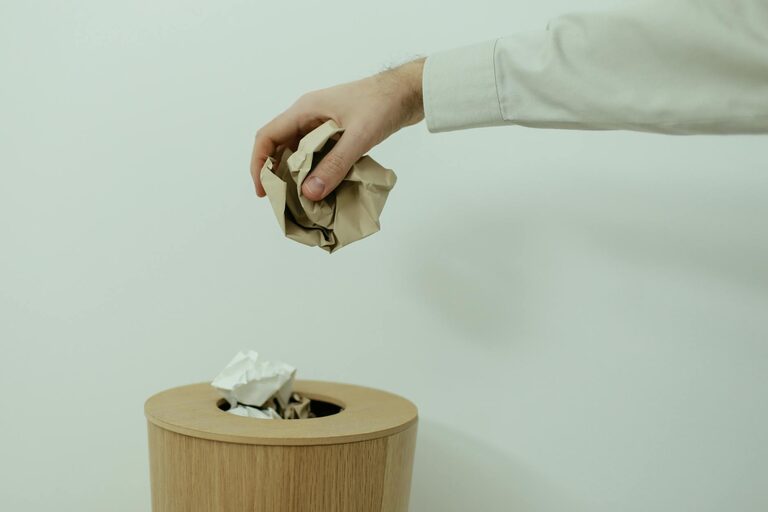
Reducing paper clutter in your home can seem overwhelming, but with simple strategies and consistent habits, you can create a neater, more organized space. Paper piles often accumulate unnoticed—from bills, receipts, mail, to schoolwork—and can quickly take over countertops, desks, and drawers. This article will guide you through practical steps to manage and minimize paper clutter, making your home feel calmer and more efficient.
Why Reduce Paper Clutter?
Before diving into the how-to, it’s good to understand why reducing paper clutter matters. Excess paper can lead to stress, reduce your productivity, and even cause you to misplace important documents. A clear environment promotes better focus and allows you to quickly locate necessary items. Plus, less paper means less waste and a chance to switch to digital alternatives, which is better for the environment.
1. Set Up a Paper Management Station
Creating a dedicated area for incoming and outgoing paper can help prevent piles from forming. This can be a small table, a section of your kitchen counter, or a desk corner.
– Use labeled trays or bins for “To Do,” “To File,” and “To Recycle.”
– Keep essential supplies nearby like pens, a stapler, and scissors.
– Make it a habit to sort papers in this area daily.
2. Go Paperless Whenever Possible
Many companies offer paperless billing and statements now, which greatly reduces the amount of physical mail.
– Sign up for electronic bills, bank statements, and insurance documents.
– Use apps or email subscriptions for newsletters and receipts.
– Store important digital documents in organized folders on your computer or cloud storage.
3. Declutter Mail Immediately
Mail is a common source of clutter. To stay on top:
– Open mail over your paper management station to handle it right away.
– Recycle junk mail immediately.
– File or digitize important mail right after reading.
4. Adopt a Filing System for Important Documents
Keeping important papers organized helps them stay out of sight and easily accessible:
– Use labeled file folders or an expanding file for categories like bills, tax documents, warranties, and medical records.
– Store files in a filing cabinet, box, or portable file container.
– Review and purge files annually to keep only necessary documents.
5. Digitize Essential Papers
Converting physical documents into digital copies reduces paper volume and makes retrieval easier.
– Use a scanner or mobile scanning app to capture documents.
– Save files with clear names and organized folders.
– Back up digital files regularly to prevent data loss.
6. Manage Receipts Efficiently
Receipts can pile up quickly, but you don’t need to keep every single one.
– Keep receipts only if necessary for returns, warranties, or tax purposes.
– Store these receipts in a designated envelope or folder.
– Consider using receipt tracking apps for digital storage.
7. Limit Paper Usage in Daily Life
Prevent clutter by reducing paper use at the source.
– Use reusable shopping lists, calendars, and notebooks.
– Switch to cloth napkins and towels to cut down on paper towels.
– Encourage family members to be mindful of paper use.
8. Regularly Schedule Decluttering Sessions
Paper clutter tends to reappear if not maintained. Set regular times to review and tidy up.
– Make it a weekly habit to clear your paper station.
– Perform a more thorough purge every few months.
– Involve family members to keep everyone on track.
Bonus Tips: Keep It Simple and Consistent
– Avoid overcomplicating your system; keep it easy to maintain.
– Store frequently used documents in convenient locations.
– Reward yourself for maintaining a clutter-free space to stay motivated.
—
Reducing paper clutter at home doesn’t require a massive overhaul. By setting up small, manageable systems and creating daily habits, you can enjoy a tidier environment and reduce stress. Start with one or two tips from this post and gradually build your paper organization routine—you’ll likely notice the benefits quickly!
Happy decluttering!