
Simple Ways to Reduce Noise at Home for a Calmer Space
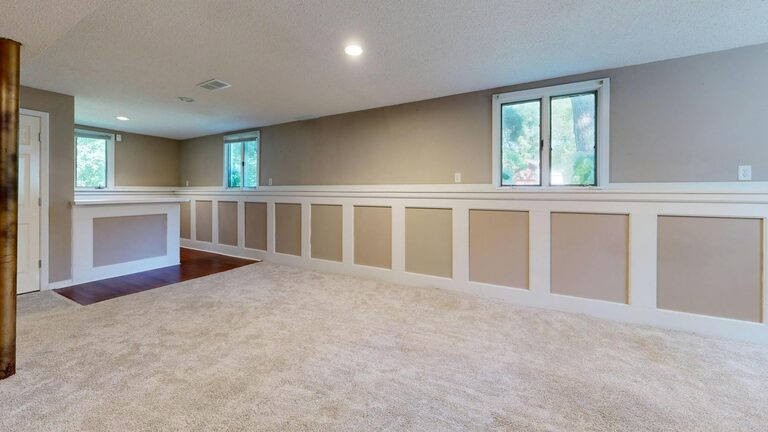
Creating a quiet and peaceful home environment can greatly improve your comfort and well-being. Whether you live in a busy urban area or a noisy neighborhood, there are simple ways to reduce noise and transform your living space into a calm retreat. In this post, we’ll explore practical tips and easy-to-implement solutions that can help minimize unwanted sounds in your home.
Why Reducing Noise at Home Matters
Noise pollution isn’t just an annoyance; it can affect your sleep quality, concentration, and overall mental health. By taking steps to manage noise, you build a sanctuary that supports relaxation and productivity.
Identify the Sources of Noise
Before tackling noise, it’s helpful to recognize where it’s coming from. Common sources include:
– Street traffic
– Neighbors or shared walls in apartments
– Household appliances
– Outdoor sounds like barking dogs or lawn equipment
Once you know the main culprits, you can target your soundproofing efforts more effectively.
Simple Strategies to Reduce Noise Indoors
1. Use Soft Furnishings to Absorb Sound
Hard surfaces reflect noise, making rooms feel louder. Introduce soft materials to dampen sound:
– Rugs and Carpets: Placing rugs on floors absorbs footsteps and echoes.
– Curtains: Heavy, thick curtains help block outside noise from windows.
– Cushions and Upholstery: Add upholstered furniture and throw pillows to soak up sounds.
2. Seal Gaps Around Doors and Windows
Noise can seep through small cracks and gaps. Check these spots and use:
– Weatherstripping tape
– Door sweeps
– Acoustic caulk to fill gaps
Proper sealing lowers sound transmission and improves insulation.
3. Rearrange Furniture for Noise Control
Placing bulky furniture along noise-prone walls can act as a buffer. Bookshelves filled with books, for example, provide extra mass that blocks sound waves.
4. Create Quiet Zones with Partitioning
Room dividers or screens help break up open spaces, limiting sound travel. If possible, use folding panels or curtains to create designated quiet areas.
5. Introduce Sound Absorbing Panels or Art
Acoustic panels designed to absorb sound come in various designs and materials. Alternatively, fabric wall hangings or tapestry art also help reduce echo.
Outdoor Noise Reduction Tips
If loud sounds from outside disturb you, try these:
– Grow tall shrubs or hedges near windows to act as natural sound barriers.
– Install double-glazed or laminated windows that better insulate against noise.
– Use exterior awnings or shutters to further reduce sound penetration.
Managing Indoor Noise Sources
Home noise isn’t just from outside. Consider:
– Choosing quieter appliances where possible.
– Using rugs or pads under washing machines or dishwashers to reduce vibration noise.
– Limiting loud activities during early morning or late evening hours.
White Noise and Sound Masking
Sometimes blocking all noise isn’t possible. Using white noise machines or fans can mask disruptive sounds and help you focus or sleep better.
Final Thoughts
Reducing noise at home doesn’t require expensive renovations—small changes and thoughtful choices can make a big difference. Start by identifying noise sources, then experiment with some of the simple tips above to create a more peaceful living environment. A quieter home is a more restful, enjoyable home.
—
With these practical strategies, your home can become a haven of tranquility even in noisy surroundings. Give them a try today!